
Bladder Leakage: A Normal Part of Ageing? Myths vs Facts
By: Lisa Wragg
Essentials
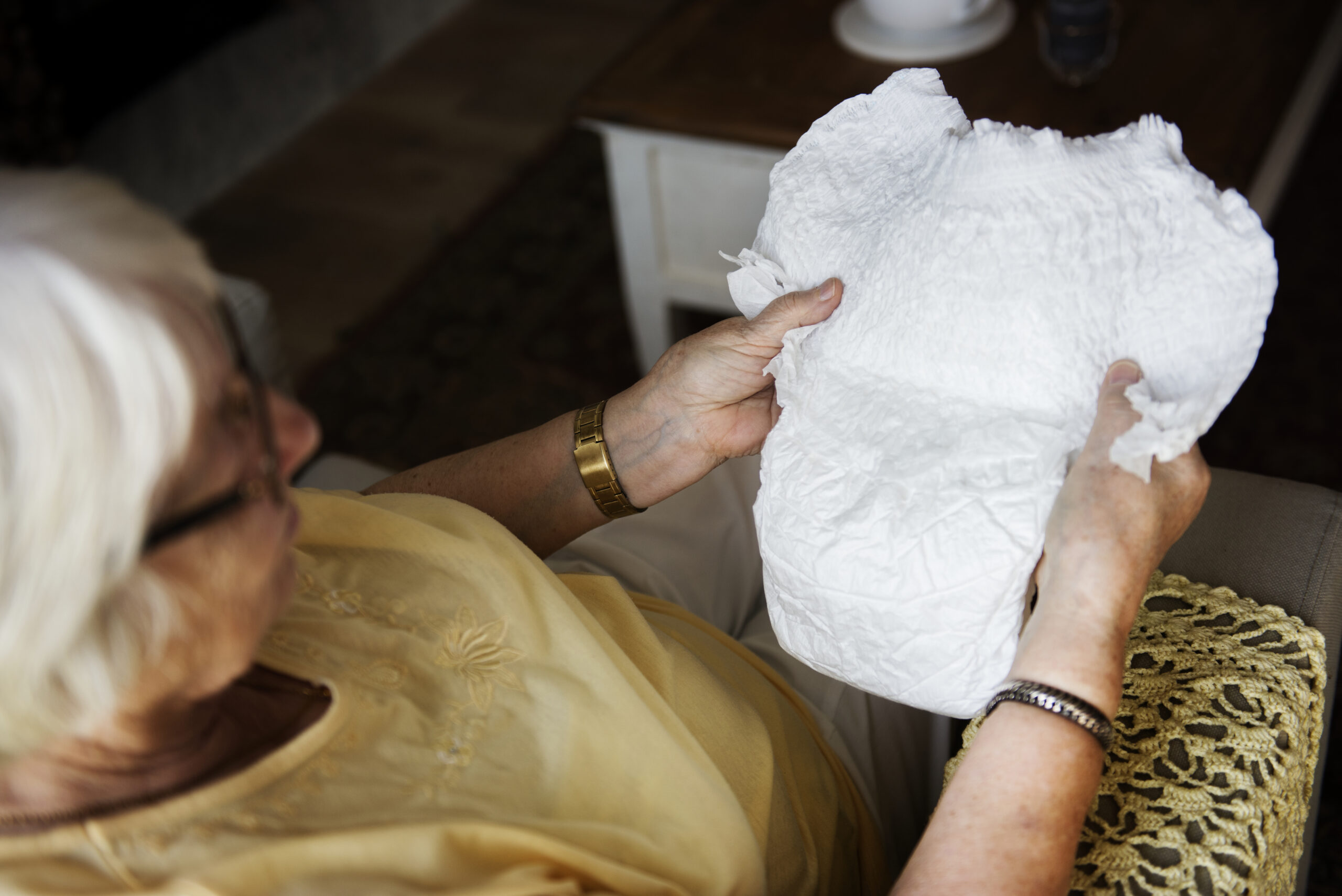
Bladder leakage, also known as incontinence, is more common than many people realise, yet it’s rarely talked about openly. It can affect people of all ages, backgrounds, and life stages. While it becomes more frequent as we get older, it is not simply something you have to accept as part of ageing.
Incontinence refers to the involuntary leakage of urine or faeces and it can range from occasional small leaks to more persistent symptoms that impact daily life. The good news is that it’s often manageable and, in many cases, treatable with the right support and information. Understanding what’s normal, what’s not and when to seek help is the first step toward regaining confidence and control.
Some of the highlights from Deloitte’s “Economic Cost of Incontinence in Australia” Report published in June 2024 identified:
- That there were over 7.2 million people with incontinence in Australia in 2023 which is equivalent to 1 in 3 people over the next 15 years.
- Women are 2x more likely than men to have incontinence
- Although there is a higher rate of incontinence when you are older, 71% of people with incontinence are younger than 65 years
- People with incontinence lost an additional 8.8 days of work per year
- The average caregiver provides more than 5 hours of care per week to someone with incontinence
Understanding Age-Related Bladder Changes and What You Can Do About Them
As we age, our bodies naturally go through changes and that includes the lower urinary tract. For women, this may involve vaginal atrophy after menopause due to a decline in oestrogen, while men may experience prostate enlargement. Both common changes can contribute to the onset of urinary incontinence.
Alongside these physical changes, many older adults may also develop chronic health conditions such as type 2 diabetes, osteoarthritis, and heart disease. These conditions, along with the medications used to manage them, can increase the likelihood of experiencing urinary and/or faecal incontinence.
The good news is that incontinence can be treated and, in many cases, even cured. The key is not to manage it alone, seeking a comprehensive, holistic continence assessment from a Nurse Continence Specialist (NCS) can help you better understand your symptoms and find the right approach for your individual needs.
Part of a holistic continence assessment includes identifying any transient causes of urinary and/or faecal incontinence and making recommendations to either reverse these conditions or better manage them so that reoccurrence is prevented.
Examples of reversible causes for urinary and faecal incontinence include;
- Urinary tract infection (UTI), which may cause a sudden onset of urinary incontinence and confusion, and exacerbate symptoms of urinary urgency and frequency
- The introduction of new medications such as diuretic medication, which increases urine production and will cause urinary frequency and urgency while it is active in the body, or pain medication that may increase the likelihood of constipation
- Severe constipation may cause faecal overflow incontinence, nocturnal urinary incontinence or an increase in nocturia and urinary frequency because normal bladder function is impacted by a very full rectum
Many older people may experience episodes of functional incontinence related to physical and/or cognitive impairments, environmental barriers and lack of assistance to toilet. There are multiple steps involved in the toileting process and a holistic continence assessment by an NCS will be able to identify toileting obstacles and suggest solutions to reduce the frequency of incontinence episodes.
Helpful tips to reduce functional incontinence for your older person
- Introduce clothing that remains stylish but has an elasticised waist so that it is easier to pull clothing down quickly and without assistance during toileting
- Introduce the use of an appropriate continence products which are discreet, affordable and allay anxiety because the individual feels confident that it will absorb their urinary incontinence episodes on the way to the toilet
- Provide a call bell, whether it be a mobile phone, a physical bell or an alarm of some kind that alerts the care giver that assistance is needed NOW to get to the toilet
- Remove obstacles that may hinder quick physical access to the toilet
- Relocate the older person to a bedroom closer to the toilet and introduce sensor lighting if your older person is waking to toilet overnight to prevent the risk of falls
- Consider the introduction of a commode by the bed overnight
- Introduce disposable or washable waterproof bed and mattress protection which is discreet and portable so the older person can still feel confident to travel or sleep over in alternative environments without shame or embarrassment
- Resist an over reliance on continence products because this can contribute to an increase the older person’s loss of self-esteem, increase the annual cost of continence products and abdicates the responsibilities of paid care providers to offer assistance with toileting
Conclusion
Bladder leakage may be common, but it’s not something you have to simply live with. With the right support, assessment and practical strategies, continence can often be improved or effectively managed.
For more continence and health information, helpful resources and support, visit our Continence article library.

Lisa Wragg
Nurse Continence Specialist
Lisa Wragg is a Nurse Continence Specialist and is the Director of her own business Continence First P/L. She works with aged care clients receiving Care at Home Support Packages and NDIS participants of all ages and stages of life who require continence related supports and product needs.