
Choosing the right wound dressing: A complete buyers guide
By: Tracey Aldis
Essentials
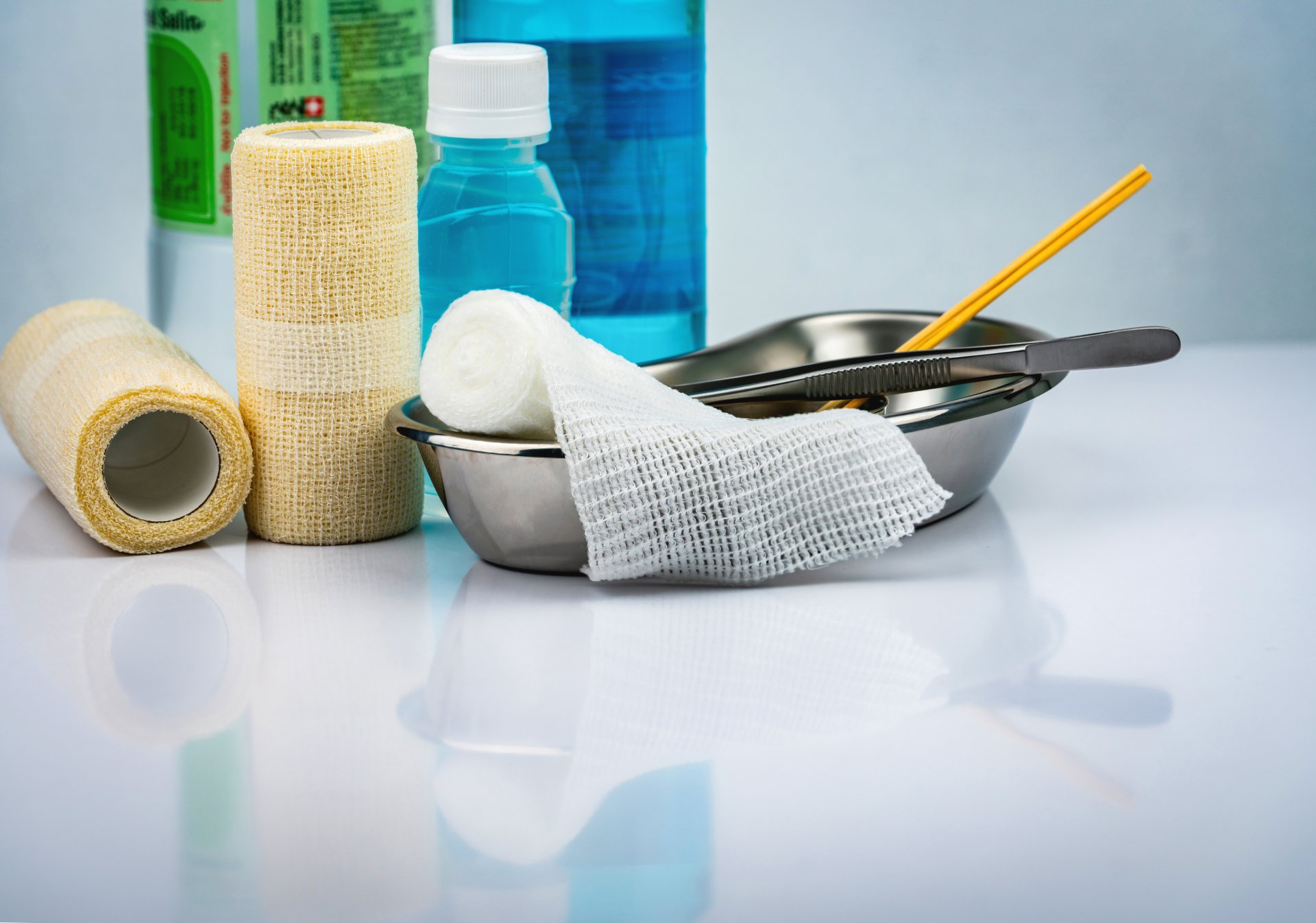
Modern wound dressings are specially made for different types of wounds. They’re not “one size fits all.” If you use the wrong dressing, it could slow down healing or even make the wound worse.1 When choosing a dressing, think about your wounds’ needs, and your personal preferences and situation. Wounds change as they heal, so the dressing may need to be changed too. This guide will help you choose the right dressing for your wound.2
Things that make wounds harder to heal
Some conditions that slow down wound healing include:
Important terms to understand
Here are some key words to help you understand wound care:
- Primary dressing: This is the layer that touches the wound directly. It could be gauze or gelling fibres, used for more complicated wounds.2
- Secondary dressing: This goes on top of the primary dressing to keep it in place.1
- Exudate: This refers to fluids that ooze from a wound, such as blood, pus, or water.6
- Periwound: The skin around the wound, up to about 4 cm in every direction.6
Checking Your Wound
The T.I.M.E method can help you assess your wound4:
- Tissue: The wound should be clean and pink or red, with an even texture. Sometimes you might see yellow or white tissue (slough) or black or brown tissue (eschar). These need to be removed because they slow healing and increase infection risk.3
- Infection or Inflammation: Look for signs like:
- Moisture balance: Wounds heal best when they’re moist but not too wet. Too much fluid can harm nearby skin and leak onto clothes. Dry wounds can stick to the dressing, causing pain during removal.6
- Edges: Wounds should heal from the bottom up. If the edges roll inward or skin grows over the wound too early, speak to a wound nurse.5
Take weekly measurements of your wound to see how it’s healing. Use your phone to take pictures and include a measurement tool in the photo. Your dressing should be 2.5cm larger than the wound on each side.2
Other things to think about when choosing a dressing
- Location: Where the wound is on your body matters. Dressings may not work as well in places that get wet often, rub against clothes or shoes, or are on a joint that moves a lot. Some dressings are shaped for specific areas of the body.5
- Depth: Deep wounds (more than 1 cm) often need both primary and secondary dressings. You should get advice from a wound care nurse for these.3
- Allergies: Some dressings include ingredients like iodine or adhesives that may irritate sensitive skin. If this is a concern, choose non-adhesive dressings and secure them with a bandage instead.1
Types of dressings
When it comes to wound dressings, there are different kinds designed for specific needs. It’s important to choose the right one to help your wound heal properly.1
1. Foam dressings
Foam dressings are very flexible and available in many sizes and shapes. Some have sticky edges (adhesive), while others don’t. Many are waterproof and have a silicone layer that stops them from sticking to the wound, making them easier to remove.3
They work for wounds with small to large amounts of fluid (ooze). Foam dressings can shape to fit the body and even expand slightly to fill shallow wounds.5
Some foam dressings include silver to treat infections, while others have special layers to clean up dead or unhealthy tissue.2
Best for: With a large range of shapes and sizes, foam dressings are versatile and can be considered an “all-rounder”. They absorb varying levels of exudate and silicone contact layers make them less likely to stick to dry wounds. They are a safe choice for all minor wounds, especially if you have delicate skin.3
Not suitable for: Deep wounds2
2. Island dressings
Island dressings have a central non-stick pad with sticky edges. The outer layer can be made of cloth or clear plastic. Some clear plastic ones are waterproof.3
They’re great for cuts, scrapes, or surgical wounds with small amounts of fluid. Island dressings are popular because they’re affordable, easy to use, and come in many sizes.1
However, the sticky edges may irritate sensitive skin or cause injury when removed. These aren’t recommended for people with very delicate or “tissue paper” skin.2
Best for: Minor cuts, scrapes, scratches with little exudate. Often used over surgical incisions closed with stitches or clips. Those with transparent film are ideal for areas frequently exposed to water.3
Not suitable for: Delicate skin or wounds with moderate to high amounts of exudate.
3. Hydrocolloid dressings
These adhesive dressings absorb fluid from the wound and turn it into a gel. This gel may look like pus but is part of the healing process.4
Hydrocolloid dressings stick well and keep the wound protected from water and germs while maintaining a moist healing environment. They can be cut to size and stay on for up to seven days, depending on how much fluid the wound produces.6
Best for: Small cuts, grazes, scratches with minimal exudate. Also used on closed surgical wounds. Often referred to as a “second skin”.3 Can be worn in the shower. May be left in place for longer (depending on amount of exudate).
Not suitable for: Delicate skin. Wounds with moderate to high levels of exudate. Infected or deep wounds.5
4. Gelling fibre dressings
These dressings are made from special fibres that absorb wound fluid and turn into a gel. This gel creates a moist healing environment and makes the dressing easier to remove.6
They’re helpful for wounds with moderate to high amounts of fluid and can also clean out dead or unhealthy tissue.5 Gelling fibre dressings are often used for deep wounds and can be cut to fit.2
Some have silver to fight infections, but these can be expensive and may cause an allergic reaction. Silver dressings should only be used if the wound is infected, so ask a professional for advice.1
Best for: Wounds with moderate to high levels of exudate. Choose gelling fibres to clean slough from the wound surface. They are ideal for filling deeper wounds with a secondary dressing on top3, but please discuss this with a health care professional first. Those with silver are frequently used on infected wounds that ooze.
Not suitable for: Dry wounds or those with very little fluid, as they can stick to the wound and cause pain when removed.4
5. Absorbent pad dressings
These dressings soak up excess fluid to protect the skin around the wound from damage. They come in different sizes and levels of absorbency.3
Some absorbent pads have sticky edges, while others need to be held in place with tape or a bandage. Some also include a silicone layer to prevent sticking to the wound.6
Best for: Choose these as a “secondary” dressing for wounds with lots of exudate or apply directly to leaky, fluid-filled legs where the skin is not broken.2
Not suitable for: Don’t apply these directly to wounds with small amounts of exudate as they can stick and be painful to remove.5
6. Contact layers
Contact layers are thin sheets made of silicone or gauze that go directly on the wound surface, under another dressing. They prevent other dressings from sticking to the wound.4
Some contain moisturising ingredients to keep the wound hydrated or antimicrobial agents to fight infections.5. Transparent silicone layers allow you to check the wound without removing the dressing.6
Best for: Wounds with small amounts of exudate. Silicone contact layers and those with moisturising agents are ideal for skin tears and fragile or “tissue paper” skin. Use these under a secondary foam or absorbent pad secured with a bandage.3
Not suitable for: Wounds with a lot of fluid, as they may not absorb it well.3
How to keep dressings in place
You’ll need to secure the dressing to keep it clean and protected. Here are some options:
- Medical tape: Use tape to hold bandages or dressings in place. Avoid sticking tape directly on your skin to prevent irritation.1
- Crepe bandages: Soft and stretchy, these bandages are easy to use and comfortable. They’re less likely to be wrapped too tightly.3
- Tubular bandages: These are stretchy tubes that slip over a wound to keep dressings in place. Use lightweight tubular bandages, as heavier ones are meant for compression and should only be used under professional guidance.2
Avoid using old-fashioned clips or pins, as they can cause injuries. Make sure bandages aren’t too tight and don’t have creases, which can create uneven pressure.
When to see a doctor
- If your wound is not improving or getting worse.
- You feel unwell or feverish.
- If there are signs of infection – more redness, swelling, pain or ooze.
- If the wound has pus or a bad smell.
FAQS

Tracey Aldis
Clinical Nurse Consultant
Tracey is a Clinical Nurse Consultant with over 30 years of experience. She has completed a Bachelor of Nursing (RN) and holds advanced qualifications in palliative care, chronic disease management, stomal therapy, continence, and wound management. Tracey is passionate about empowering individuals on their health journeys through holistic support and education and is also certified as a trainer and assessor.
References
1. Bietz, J.M. (2022). Wound healing. In L.L. McNichol, R.C. Ratliff., & S.S. Yates (Eds.), Wound, Ostomy and Continence Nurses Society Core Curriculum: Wound Management (2nd ed., pp.39-55). Wolters Kluwer.
2. Brown, A. (2024). Choosing the most appropriate dressing: A practical guide. Journal of Community Nursing, 38(2), 31-36.
3. Carville, K. (2023). Wound care manual (8th ed.). Silverchain Foundation.
4. Dowsett, C., & Hall, Y. (2019). T.I.M.E to improve patient outcomes: optimising wound care through a clinical decision support tool. British Journal of Nursing, 28(6). https://www.britishjournalofnursing.com/content/wound-healing/time-to-improve-patient-outcomes-optimising-wound-care-through-a-clinical-decision-support-tool/
5. Ermer-Seltun, J. M. & Rolstad, B. S. (2022). General principles of topical therapy. In L.L. McNichol, R.C. Ratliff., & S.S. Yates (Eds.), Wound, Ostomy and Continence Nurses Society Core Curriculum: Wound Management (2nd ed., pp.136-156). Wolters Kluwer.
6. International Wound Infection Institute (IWII). (2025). Therapeutic wound and skin cleansing: Clinical evidence and recommendations. Wounds International. https://woundsinternational.com/consensus-documents/therapeutic-wound-and-skin-cleansing-clinical-evidence-and-recommendations/ .