
Pressure Sores: Who’s at risk, and how to prevent them
By: Tracey Aldis
04 November 2026
Essentials
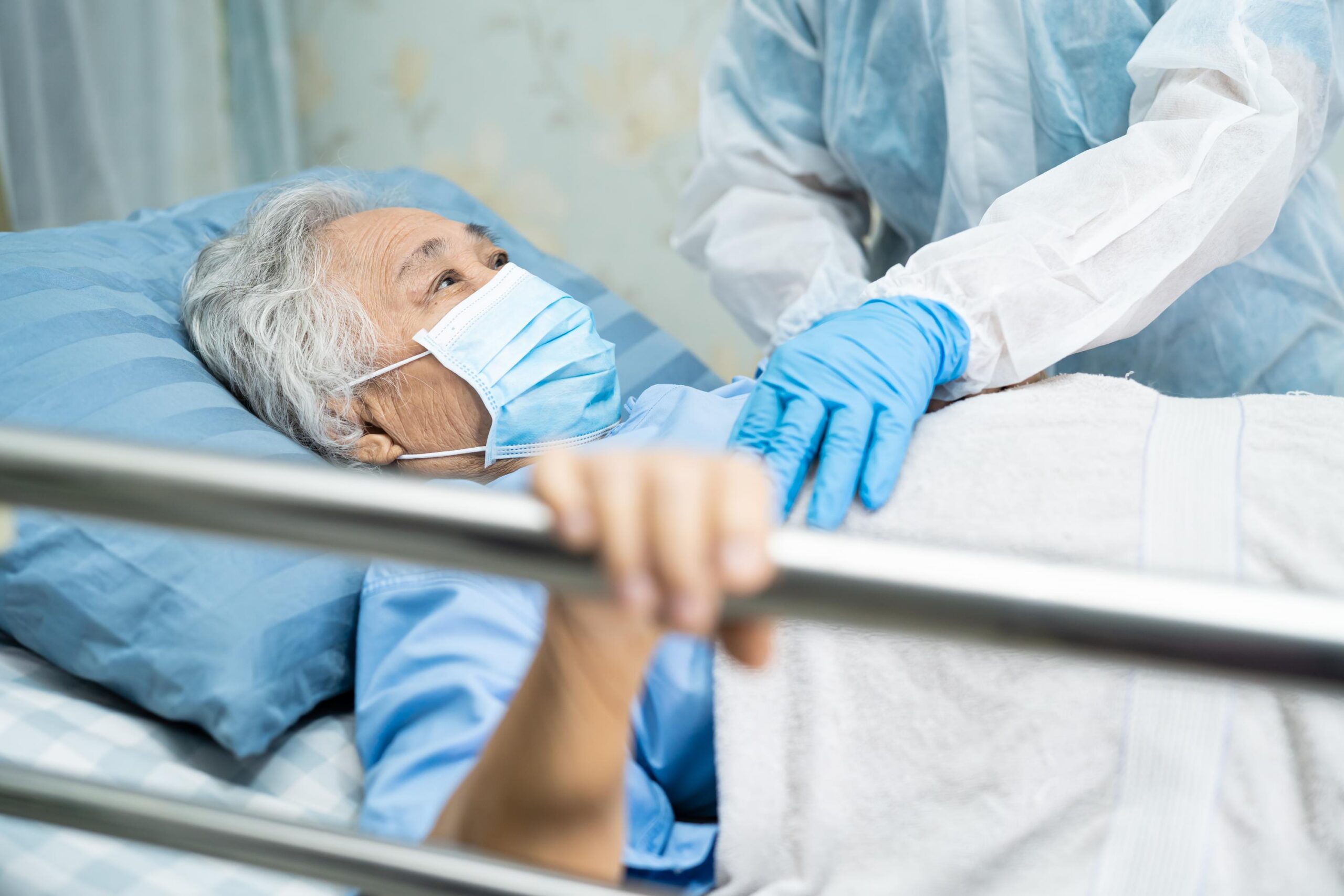
Pressure sores are injuries that occur when prolonged pressure disrupts blood and lymph flow, depriving cells of oxygen and nutrients. As a result, cells begin to die and lead to tissue damage – often in areas over bony parts of the body. These result from external and internal forces, like sitting in a chair or the weight of one body part pressing against another. Pressure sores may also be referred to as bed sores, pressure ulcers, and most commonly as pressure injuries (PIs) in Australia.
What Causes Pressure Sores?
Pressure injuries are typically caused by sustained pressure over areas with minimal tissue, such as the tailbone, heels, or elbows. Shear or friction caused by repositioning can also pull skin layers in opposite directions causing injury. While shear or friction injuries may not be immediately visible, early tissue damage can be detected under a microscope or using advanced tools like magnetic resonance imaging (MRI).
Who Is at Risk of Pressure Sores?
The risk of developing pressure injuries increases for people with limited mobility, poor circulation, decreased sensation, malnutrition, incontinence or reduced oxygen levels. The risk of pressure injuries increases for wheelchair users and people using assistive technology or devices (e.g. catheters, nasal prongs, splints, etc.) People with spinal cord injuries (SCI) are particularly vulnerable, with up to 95% developing a pressure injury over their lifetime. People using assistive technology
Stages of Pressure Injuries
Pressure injuries are categorised into four different stages depending on the depth of tissue damage. Determining the stage of a pressure injury can be tricky though, as tissue depth varies over the body. Early recognition of skin changes is important and inspecting the skin at least three times per day is recommended – particularly if you are at increased risk.
- Stage 1: Redness on intact skin that does not go away within 30 minutes indicates a stage 1 pressure injury. Gently pressing on the area and checking for “blanching” (the skin temporarily turning white) can help identify circulation issues. Non-blanching redness indicates poor blood flow and a stage 1 pressure injury. Moistening the skin can help detect colour changes for people with darker skin tones. It’s important to watch for other signs like localised pain and altered skin temperature or texture.
- Stage 2: This stage involves partial skin loss and appears as a shallow, pink or red sore. Intact or ruptured blisters also indicate a stage 2 injury.
- Stage 3: Defined by full-thickness skin loss, stage 3 injuries expose tissue beneath the skin, potentially showing fat and minor bleeding. Slough (yellowish dead tissue) and tunnelling may also be present.
- Stage 4: At this stage, tissue loss extends to muscles, tendons, and possibly bones. These injuries often feature slough, eschar (blackened dead tissue), and tunnelling.
Prevention and Managing Pressure Sores
Like most things, prevention is the best cure. Preventing pressure injuries is vital for long-term health, and regular offloading (removing pressure) is the single most important factor. Here’s how to protect vulnerable areas:
- Regular Repositioning: Change positions frequently and inspect the skin to ensure the current schedule is effective. Pay close attention to areas with minimal tissue depth, like the ears, nose, and between skin folds. Set reminders to stay on track with repositioning.
- Avoid Direct Pressure on Existing Injuries: Whenever possible, avoid sitting or lying directly on areas with existing pressure injuries. For those with buttock-area injuries, limit sitting time to 60 minutes, three times a day, and monitor the injury for signs of worsening.
- Cushions for wheelchair users: Wheelchair users must have an appropriate cushion and be encouraged to shift their weight frequently, if able. Only use covers approved by the cushion’s manufacturer. Never use ring or donut shaped cushions as they don’t redistribute pressure effectively. Don’t leave people on toilets, commodes, or bed pans longer than necessary.
- Minimise Sacral and Heel Pressure: When elevating legs, keep your heels “floating” and not contacting any surface. If using a pillow under the lower legs to lift feet, ensure knees are slightly bent and pressure is distributed evenly under the legs. Bed heads should not be raised more than 30 degrees, and chairs should be reclined and tilted at least 30 degrees to reduce pressure on the sacrum and top someone from sliding down.
- Use Assistive Equipment Carefully: Prevent dragging by using assistive tools (like slings) when repositioning and avoid leaving equipment under the person afterward, as these can create pressure points.
- Consider Specialised Equipment: Various pressure-relieving aids, such as wheelchair cushions and heel or elbow protectors, may help prevent pressure injuries. However, these should be recommended by a health professional to ensure correct use and effectiveness.
Skin Care and Hygiene Tips
Maintaining good skin care and hygiene also reduces the risk of pressure injuries. Some essential practices include:
- Gentle Cleansing: Use pH-balanced cleansers and moisturisers to avoid disrupting the skin’s natural barrier. Avoid rubbing or massaging fragile skin and instead pat it dry.
- Barrier Creams: When using barrier creams, apply them sparingly on clean, dry skin – they should be invisible after application. Avoid thick applications, as they may trap moisture against the skin leading to moisture associated skin damage (MASD).
- Proper Nutrition and Hydration: Good nutrition and hydration support skin health and aid in healing. Consulting a dietitian or nutritionist can help to tailor a diet that meets individual needs, especially during illness or hot weather.
When to Seek Medical Assistance
If a new or worsening pressure injury appears, consult an occupational therapist, nurse, or doctor immediately for assessment and guidance. Professional input is essential to develop a comprehensive care plan that addresses both prevention, management and quality of life.
Conclusion
Pressure injuries can pose serious health risks if they are not addressed, but with awareness, proper care, and preventive measures, they can be effectively managed or avoided altogether. With thoughtful prevention strategies, frequent repositioning, and proper skin care, it’s possible to reduce the risk and impact of pressure sores.
Taking small steps every day makes a big difference in keeping skin healthy and preventing pressure injuries.

Tracey Aldis
Clinical Nurse Consultant
Tracey Aldis is a registered nurse with over 35 years’ experience, specialising in Stomal Therapy and Wound Management. Tracey has specialist post-graduate qualifications in wound care and facilitates nursing education through various tutoring roles and speaking engagements.
References
1. European Pressure Ulcer Advisory Panel, National Pressure Injury Advisory Panel and Pan Pacific Pressure Injury Alliance. (2019). Prevention and Treatment of Pressure Ulcers/Injuries: Clinical Practice Guideline. The International Guideline. Emily Haesler (Ed.). EPUAP/NPIAP/PPPIA: 2019. https://static1.squarespace.com/static/6479484083027f25a6246fcb/t/6553d3440e18d57a550c4e7e/1699992399539/CPG2019edition-digital-Nov2023version.pdf
2. Houghton PE, Campbell KE, CPG Panel, Canadian Best Practice Guidelines for the Prevention and Management of Pressure Ulcers in People with Spinal Cord Injury. A resource handbook for clinicians. 2013, Ontario Neurotrauma Foundation: http://www.onf.org