
Advancing chronic wound care: Evidence-based strategies to improve healing outcomes in clinical practice
By: Tracey Aldis
14 July 2026
8 mins
Essentials
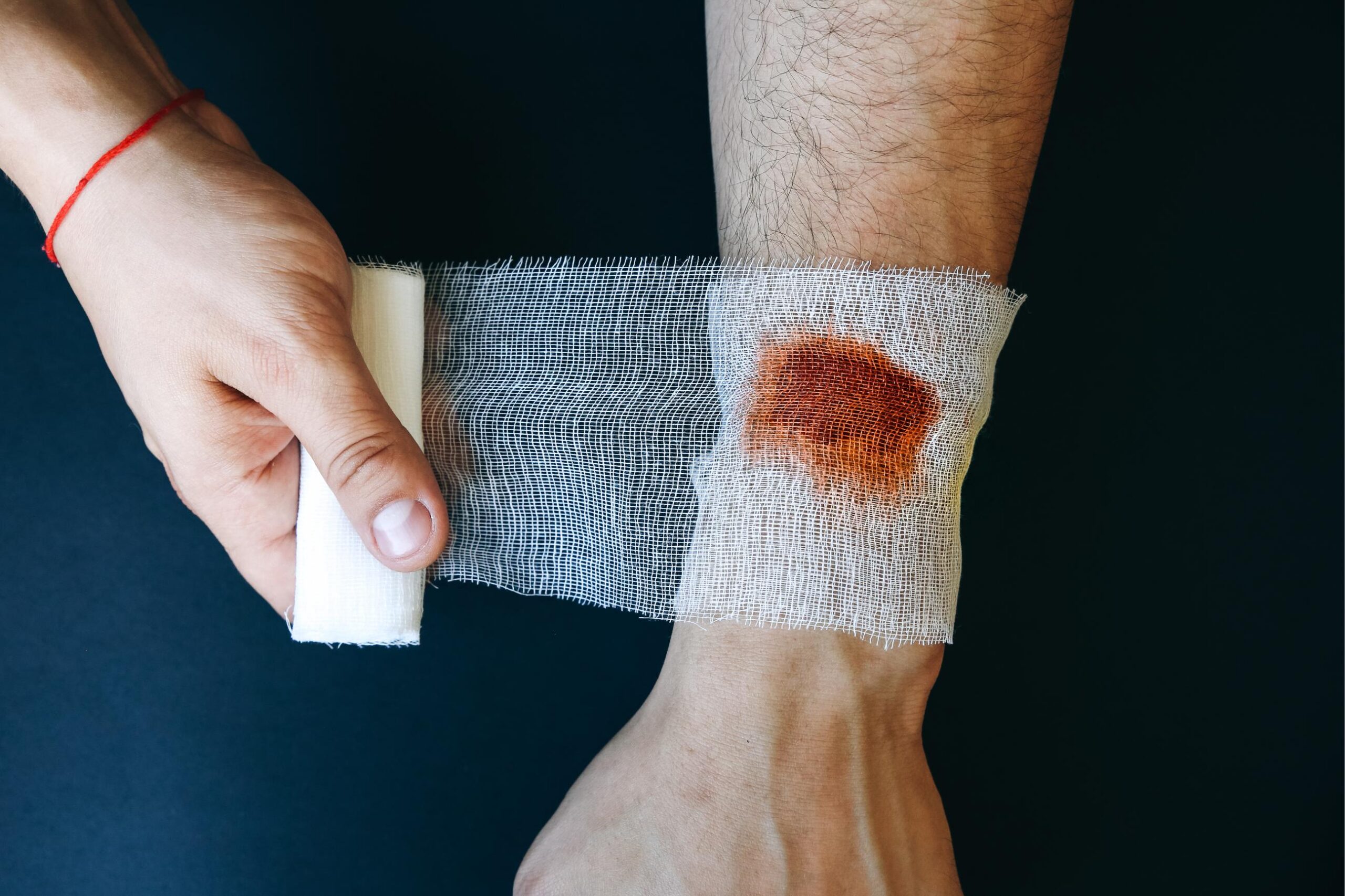
Chronic wounds affect more than 450,000 Australians each year, presenting an ongoing challenge across all health care settings. Venous leg ulcers (VLUs), pressure injuries (PIs) and diabetic foot ulcers (DFUs) are particularly prone to delayed healing and infection.2 The financial burden on health care systems exceeds $6 billion annually.13 Consistent, standardised implementation of evidence-informed guidelines is essential to reduce practice variations, mitigate costs, and optimise patient outcomes.4
Early assessment and intervention: A critical first step
Chronic wounds deviate from the normal healing trajectory and are often associated with underlying conditions such as diabetes, vascular disease, immobility, and disability. Delayed or inappropriate treatment contributes to chronicity and significantly diminishes quality of life.2
Accurate, early assessment is fundamental to preventing wound deterioration and chronicity. Comprehensive, person-centred assessment using validated tools is crucial to guide best practice.4 The TIME framework, first developed in 2003, remains widely used.12 The model was revised in 2019 to TIMERS, incorporating social factors that impact wound healing.6
Wound balance and dressing selection
The concept of wound balance considers potential barriers to healing within three domains: wound care, patient care, and clinical care. This approach recommends the use of TIMERS and superabsorbent polymer (SAP) dressings. These products improve exudate management, reduce dressing frequency, lower bacterial burden, and protect periwound skin. When combined with patient education, SAP dressings simplify self-care and decrease costs, thereby enhancing patient engagement, service satisfaction and quality of life.14
Gold-standard clinical guidelines exist for specific wound aetiologies, including:
- Best practice recommendations for the prevention and management of skin tears in aged skin 10
- Management of patients with venous leg ulcers3
- Prevention and treatment of pressure ulcers/injuries9
- Implementation strategies for the prevention and management of diabetes-related foot disease7
Infection prevention and management
Wound infection develops gradually as microbial burden within the wound overwhelms the body’s immune response. Diagnosis is usually based on clinical presentation and swabs to guide antibiotic selection. Before swabbing, debridement of non-viable tissue and cleansing with an inert solution (normal saline) is necessary.5
Clinicians should presume the presence of biofilms in all chronic wounds. Biofilms provide an environment that supports the proliferation of pathogens and reduces the efficacy of antimicrobial treatment. They are not visible to the naked eye, despite common misconceptions. Evidence based treatment strategies include regular debridement and topical antimicrobials: Autolytic continuous debridement with a focus on biofilm management: Concensus document for the APAC region.8
To deliver best practice wound care, clinicians must understand the signs, symptoms and stages of infection. While aligning with an individual’s goals of care, the management plan will prioritise improving the person’s immune response, minimising the wound bioburden, and supporting wound healing.5
Enhancing the patient’s immune response is achieved through optimal management of underlying conditions in collaboration with a multidisciplinary team (MDT). Supportive strategies may include improved nutrition, medication review, enhancing mobility/function, and hygiene assistance. To promote patient engagement and treatment adherence, meaningful patient education is essential and continuity of care highly desirable.5
Antimicrobial stewardship in wound care
Antibiotics are often inappropriately prescribed for chronic wounds, contributing to rising global antimicrobial resistance (AMR). By 2050, resistant pathogens, or “superbugs” will be implicated in 10 million deaths/year. Wound management practices must incorporate antimicrobial stewardship (AMS) principles, including avoiding prophylactic use of topical antimicrobials and systemic antibiotics.5
Topical antimicrobials are indicated when biofilm is suspected or a wound exhibits sign of local infection. Once initiated, use of topical antimicrobial agents must continue for at least two weeks to accurately evaluate efficacy and reduce the risk of pathogens developing resistance. Antibiotic therapy should be reserved for wounds with signs of spreading or systemic infection.5
Methods for reducing wound bioburden include aseptic technique, adequate exudate management, periwound protection, therapeutic cleansing and debridement. Promoting a clean environment to perform wound care and appropriate storage of wound care equipment is also highly beneficial. Non-medicated wound dressings (NMWD) can effectively prevent and managing wound infection through mechanisms of autolytic debridement or removal/entrapment of microorganisms from the wound bed.5
Given the wide range of factors that impact wound healing, a multidisciplinary approach is imperative. Clinicians can support wound healing through holistic assessment, individualised management plans and patient/carer education. Common considerations include smoking cessation, weight loss, fluid balance, mobility, continence, and psychosocial factors. Delivering equitable, best practice care relies on practitioners being familiar with available resources and primary care programmes such as the Chronic Wound Consumables Scheme1 and GP chronic condition management plan .11
Conclusion
The Wounds Australia Standards and guidelines provide a comprehensive framework for best practice in advancing chronic wound care. Aligning clinical practice with these standards will improve healing outcomes, reduce complications, and contribute to more sustainable healthcare delivery across all care settings.4

Tracey Aldis
Clinical Nurse Consultant
Tracey Aldis is a registered nurse with over 35 years’ experience, specialising in Stomal Therapy and Wound Management. Tracey has specialist post-graduate qualifications in wound care and facilitates nursing education through various tutoring roles and speaking engagements.
References
- Department of Health, Disability and Ageing. (2025). Chronic wound consumables scheme.
- Finlayson, K. et al. (2025). Priority topics for chronic wound research in Australia: a consensus study. Wound Practice and Research, 33(1), 5-17.
- Franks, P., Barker, J., Collier, M. et al. (2016). Management of patients with venous leg ulcer: Challenges and current best practice. Journal of Wound Care, (25)6, Supplement 1-67.
- Haesler E., & Carville K. (2023). Australian Standards for Wound Prevention and Management. (4th ed.) Australian Health Research Alliance, Wounds Australia and WA Health Translation Network.
- International Wound Infection Institute. (2022). Wound infection in clinical practice. Wounds International.
- Jakucs, C. (2025). Wound bed assessment: Understanding and using TIMERS. Wound Care Education Institute.
- Nair, H.K. et al. (2026). Implementation strategies for the prevention and management of diabetes-related foot disease. Wounds International.
- Nair, H.K.R., Balasubramaniam, S., Frescos, N. et al. (2024). Autolytic continuous debridement with a focus on biofilm management: Consensus document for the APAC region. Wounds International.
- National Pressure Injury Advisory Panel, European Pressure Ulcer Advisory Panel, & Pan Pacific Pressure Injury Alliance. (2026). Prevention and treatment of pressure ulcers/injuries: Quick reference guide. The international guideline (4th ed.). Wounds Australia.
- Nokaneng, E., Heerschap, C., Thayer, D., Ousey, K., Holloway, S., LeBlanc, K., Netsch, D., Vance, H., Emmons, K.R., & Woo, K. (2025). Best practice recommendations for the prevention and management of skin tears in aged skin (2nd ed.). Wounds International.
- Services Australia. (2025). Requirements for a chronic condition management plan.
- World Union of Wound Healing Societies. (2020). Strategies to reduce practice variation in wound assessment and management: The T.I.M.E. Clinical Decision Support Tool.
- Wounds Australia. (2024). 5 point plan to solve Australia’s chronic wound epidemic.
- Wounds International. (2025). Wound balance made easy.