
Inside My Wound Care Toolbox
By: Jenny Cavanagh
10 February 2026
Essentials
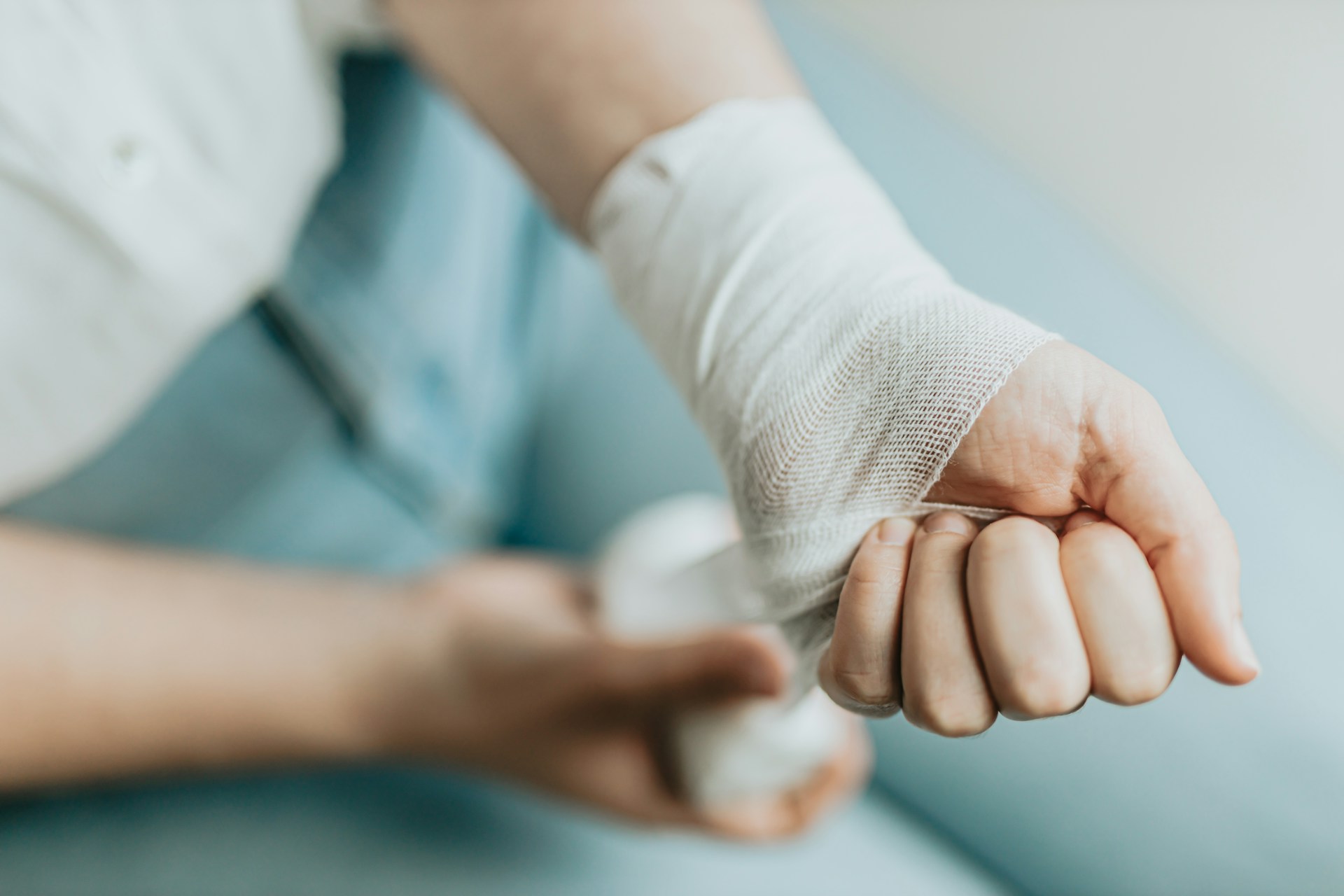
As a practicing nurse with a passion for education and wound care, I’ve seen firsthand the growing burden of chronic wounds in our healthcare system, especially in Australia where over 450,000 chronic wounds impact the lives of patients annually.
In March 2024, the Australian Federal Government finally responded, allocating $3 million1 in funding to Wounds Australia and the Australian College of Nursing to assist in managing chronic wounds. But while funding is welcome, what really makes the difference is how well-prepared we are on the ground.
In this article, I’ll walk you through my own “wound toolbox”. The tools, techniques, and clinical mindset I bring to every consultation to support nurses and healthcare professionals in delivering best-practice wound care.
What’s inside my wound care toolbox?
I call it my “toolbox”, and it is a professional bag of all the essential equipment I need to perform any wound care evaluation or procedure, and I carry it to every consultation.
Here’s what’s in my kit:
- Sterile gloves
- Camera or smartphone (for wound photography with consent)
- Measuring tools (ruler, tape, or digital app)
- Probes for depth exploration
- Debridement tools (if you’re certified and it’s within scope)
- Sphygmomanometer and Doppler (for ABPI assessments)
- Dressing packs, cleansing solutions, and a variety of dressings
Beyond clinical tools, I always include informational handouts for clients or patients. I encourage clients to understand the products we use and involve their advocates or family wherever possible. This reflects the Nursing Standard 2 – Collaborative Practice2, which promotes partnership between patients, carers, and the broader care team.
Wound assessment frameworks I rely on
To begin a thorough wound assessment, I take a comprehensive history, not just of the wound itself, but of the patient’s overall health, medications, and lifestyle. I use the following tools:
a) The TIME Framework
The TIME Framework3 helps guide initial assessment with baseline observations:
- Tissue: Is it viable or necrotic?
- Infection/Inflammation: Are there signs present?
- Moisture: Is the balance helping or hindering healing?
- Edge: What’s happening at the wound margins?
b) The MEASURE Framework
I also follow the MEASURE Framework4 for documentation and ongoing review:
- Measure: Length, width, depth, and area of wound
- Exudate: Quantity and quality
- Appearance: Wound bed tissue characteristics
- Suffering: Pain level and type
- Undermining: Any hidden tracts?
- Re-evaluate: Reassess regularly
- Edge: Look at the periwound skin
These frameworks keep our assessments consistent, evidence-based, and easy to communicate to colleagues.
Why identifying aetiology comes first
You can’t treat what you don’t understand.
Determining the aetiology of a wound is crucial. In community settings, this can be challenging due to limited access to testing, the availability of supportive health care professionals to advocate for the client or patient, and the willingness required to pursue a clear diagnosis. In fact, a large percentage of the population may even slip between the proverbial “cracks” because aetiology has not been determined.
What I always consider
I take time to understand the client or patient’s context. Here are key factors I assess:
- Have they had analgesia? I often call 45 minutes ahead so they can pre-medicate
- Did the wound occur in traumatic circumstances?
- Are there signs of infection?
- Any history of previous wounds and/or obstructions/delays to healing?
- Mobility issues?
- Access to specialist care?
- Nutritional concerns?
- Funding arrangements?
- Staff distance to attend to dressing?
Explaining dressing choices to patients
One of the most overlooked but essential parts of wound care is patient education. Even if it is temporary dressing, I always explain what I’m applying and why.
Even if the client doesn’t fully understand, when they feel involved, they’re far more likely to engage with the healing process.
Involving the right people
These are some of the specialist clinicians I commonly involve early in the process:
- Wound Clinical Nurse Consultants (CNCs)
- Local wound clinics
- Immunologists
- Vascular or infectious disease specialists
- Dermatologists and podiatrists
- Physiotherapists and occupational therapists
- Psychologists, especially in trauma-related wounds
Why reassessment if non-negotiable
Just because a treatment protocol worked last week doesn’t mean it’s right this week.
Evaluation and re-evaluation is extremely important as this will direct whether treatment protocols are working and when changes in dressing regimes need to occur.
Final thoughts
Our nurse’s toolbox is limitless.
Not all wounds will heal. Some “wounds can linger for weeks, months or even years without improvement…” and “over time they can lead to serious complications including infection, amputation or perhaps even death”4
That’s the reality we face. As clinicians we need to ensure that we offer the most appropriate, least painful, cost-effective, and dignified dressing for the wound in consultation, with everyone involved in the care, especially the client or patient.
Jenny Cavanagh
Wound Care Consultant
Jenny is a highly experienced wound care specialist with over 30 years in community healthcare. She is a strong advocate for best-practice wound care and was among the first to attend the inaugural H.E.M.I Intensive Wound Care course. Jenny has held leadership roles with Wounds Australia (NSW), the Wound Care Association of NSW, and the Australian & New Zealand Burns Association. She was the inaugural recipient of the British Burns Nurses Prize and has led award-winning healthcare innovations.
References
- Butler M. Australian Minister for Health and Aged Care 18th March 2024 Media release.
- Wounds Australia 2023 Australian Standards for Wound Prevention and Management Fourth edition. Standard 2 Collaborative Practice Standard
- Blackburn; Ousey and Stephenson: Using the TIME decision support tool to promote consistent holistic wound management and eliminate variation in practice. Wounds International 2019 Vol 10 Issue 4
- Faley K OSF Healthcare (Order of St Francis) Illinois 2025.